
Software & Technology Translation Services for Global Growth
Rapport International helps SaaS companies, software platforms, AI providers, IT organizations, and global technology brands translate technical content, localize user experiences, and support multilingual customers across international markets.
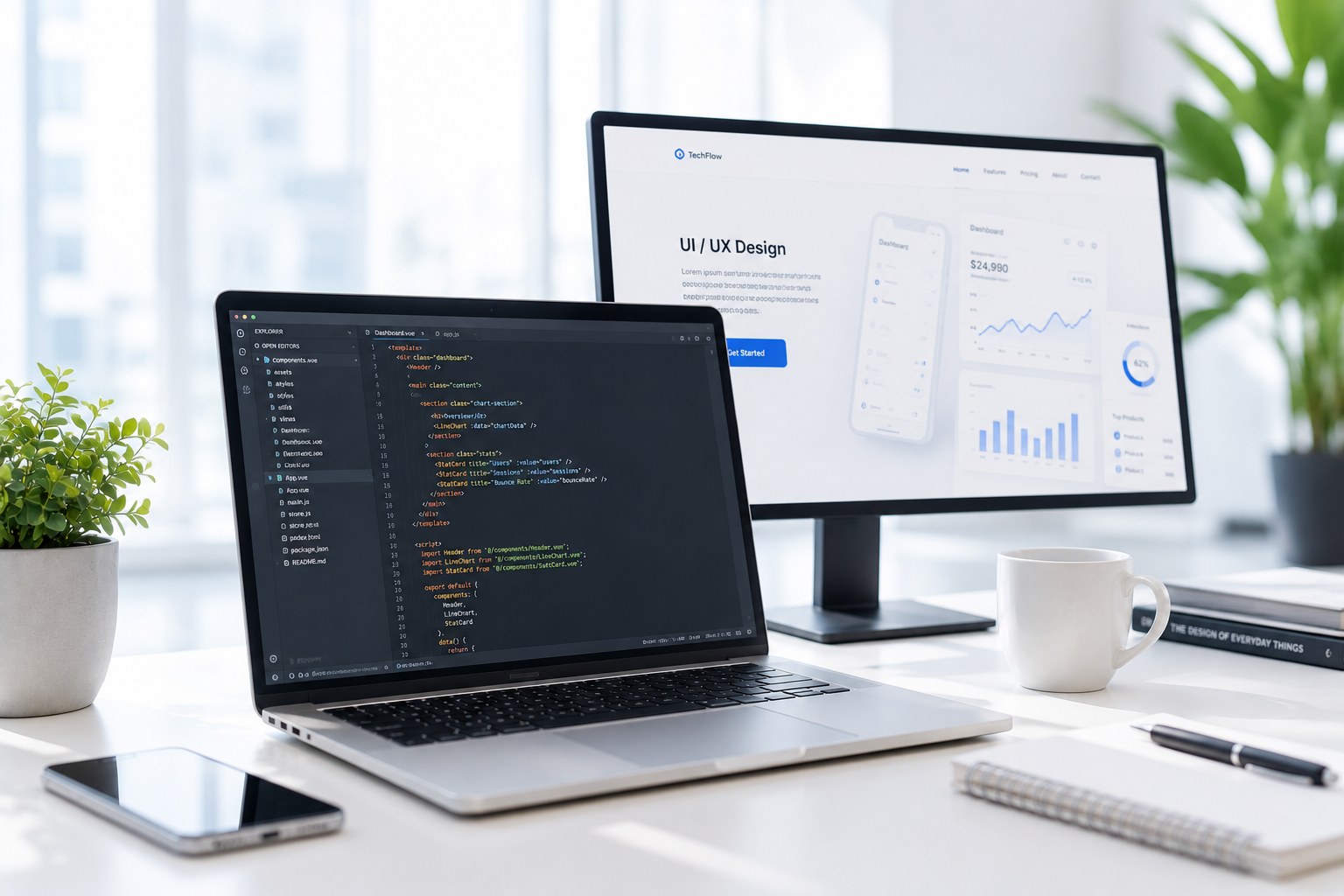
Our native-speaking linguists combine language expertise with technical subject-matter knowledge to support software localization, UI/UX translation, technical documentation, multilingual customer support, product launches, knowledge bases, APIs, onboarding flows, and global marketing campaigns. Whether you’re launching a SaaS platform in Europe, localizing enterprise software for APAC, or scaling multilingual support operations, we help technology companies deliver accurate, culturally relevant communication at scale.
🧑🏻💻
Native-Speaking Technical Linguists
📈
Consistent Translators Across Releases
🔐
Secure & Confidential Translation Workflows
⏱️
Rapid Turnaround for Global Product Launches
Built for Fast-Moving Global Technology Teams
Technology companies operate in highly competitive global markets where clarity, consistency, and speed matter. From product interfaces and technical documentation to customer support and global marketing campaigns, every interaction shapes how users experience your brand.
Rapport International helps software and technology companies deliver multilingual experiences that feel natural, accurate, and consistent across every market. Our native-speaking technical linguists understand the terminology, workflows, and pace of modern technology organizations — helping your teams launch faster, support global users more effectively, and maintain brand integrity across languages.
With ISO-aligned quality processes, dedicated linguists, and scalable localization support, we help technology companies communicate confidently as they grow internationally.
Software UI/UX Localization & Globalization
Programming Updates
Technical Documentation & Specifications
Website & Marketing Materials
Multilingual Customer Support
White Papers, Presentations, & Manuals
Pricing for Translation Services
Our all-inclusive pricing starts at $0.21 per word with a minimum charge of $95.
Translation rates always include:
- Linguistic Matchmaking
- Consistency of Voice
- Cultural Adaptation
- Dedicated Support Team
- Project Management
- 100% Satisfaction Guarantee
- Proofreading
- Process Improvement Advice
- Cost Savings Recommendations
- Version Quality Control
Beware of hidden charges when comparing costs.
Contact us today for expert advice on the services to best meet your needs.
Project Discounts
Factors contributing to reduced fees include:
- High Volume Orders
- Large Projects
- Retainer Services
- Special Packages
- Loyalty Discounts
- Referrals
- Long-Term Commitments
Add-On Services
Additional charges may be applied to projects that involve:
- Rushed Deadlines
- Editing by Second Translator
- Foreign Language Desktop Publishing & Layout
- Complex Projects or Highly Technical Subject Matter
- Website Uploads or Updates
- Localization or Transcreation
- Certified Translations & Notarized Documents
Award Winning Translation and Interpreting Services
FAQs
What is software localization?
Software localization is the process of adapting software products, applications, and digital experiences for users in different languages and regions. This includes translating UI text, onboarding flows, help documentation, customer support content, notifications, and marketing materials while adapting content for local cultural expectations, terminology, and user behavior.
How do SaaS companies translate software platforms for global users?
SaaS companies typically use a combination of professional linguists, localization workflows, translation memory, and terminology management to translate software interfaces, onboarding flows, technical documentation, and customer support content. Effective localization helps improve product adoption, customer experience, and retention across international markets.
What’s the difference between software translation and software localization?
Software translation focuses on converting text from one language into another, while software localization adapts the full user experience for a specific region or audience. Localization may include UI adjustments, formatting, terminology, cultural adaptation, SEO, currencies, date formats, and user expectations to ensure software feels natural in every market.
What content should technology companies localize first?
Most technology companies prioritize customer-facing content such as software UI, onboarding flows, help centers, knowledge bases, product websites, technical documentation, customer support materials, and global marketing campaigns. Prioritizing high-impact user experiences helps accelerate international adoption and customer satisfaction.
How do software companies maintain terminology consistency across releases?
Technology companies often use translation memory, glossaries, style guides, and dedicated linguists to maintain consistent terminology across product updates, release cycles, documentation, and multilingual customer experiences. Consistency is especially important for software usability, technical accuracy, and brand trust.
Can AI translation tools accurately translate technical documentation?
AI translation tools can assist with speed and scalability, but technical documentation often requires professional human review to ensure accuracy, clarity, context, and consistency. Software companies frequently rely on native-speaking technical linguists to validate terminology, preserve functionality, and avoid errors that could impact user experience or product adoption.
How do software companies scale multilingual customer support?
Global software companies often localize help centers, chat support, onboarding emails, FAQs, knowledge bases, and customer service workflows to support users across multiple regions. Scalable localization workflows help ensure consistent support experiences as companies expand internationally.
What languages should SaaS companies prioritize first?
The best languages depend on target markets, customer demand, product fit, and growth strategy. Many SaaS and technology companies prioritize Spanish, French, German, Portuguese, Japanese, Korean, and Simplified Chinese when expanding internationally. Localization priorities should align with both market opportunity and operational readiness.
Why is localization important for software user experience?
Users are more likely to trust, adopt, and successfully use software that feels natural in their language and region. Effective localization improves usability, onboarding, engagement, customer retention, and international growth by creating experiences that align with local expectations and communication styles.
How do technology companies prepare for global product launches?
Successful global product launches often involve multilingual planning across software UI, websites, support documentation, release notes, marketing campaigns, customer communication, and training materials. Technology companies use localization workflows and dedicated translation partners to help ensure consistency, speed, and accuracy across every launch market.
What Our Software & Technology Clients Say About Us

Rapport International has been really great to work with in terms of communication, and the work they provide in terms of documentation has been easy for us to understand, easy for us to use and act upon, and it’s been very, very enjoyable to work with them as well.
- Head of Digital Marketing & Systems, Pimberly
Rapport International is the first company I would turn to for translation support - bar none! They are critical thinkers and problem solvers who listen carefully, ask the right questions, and seem to intuitively understand the nuances of people, cultures, and situations - all of which bring a unique competency to their work.
- Senior Policy and Requirements Analyst, SAIC
Contact Us
Learn more about Rapport International and the services we offer